
Featured
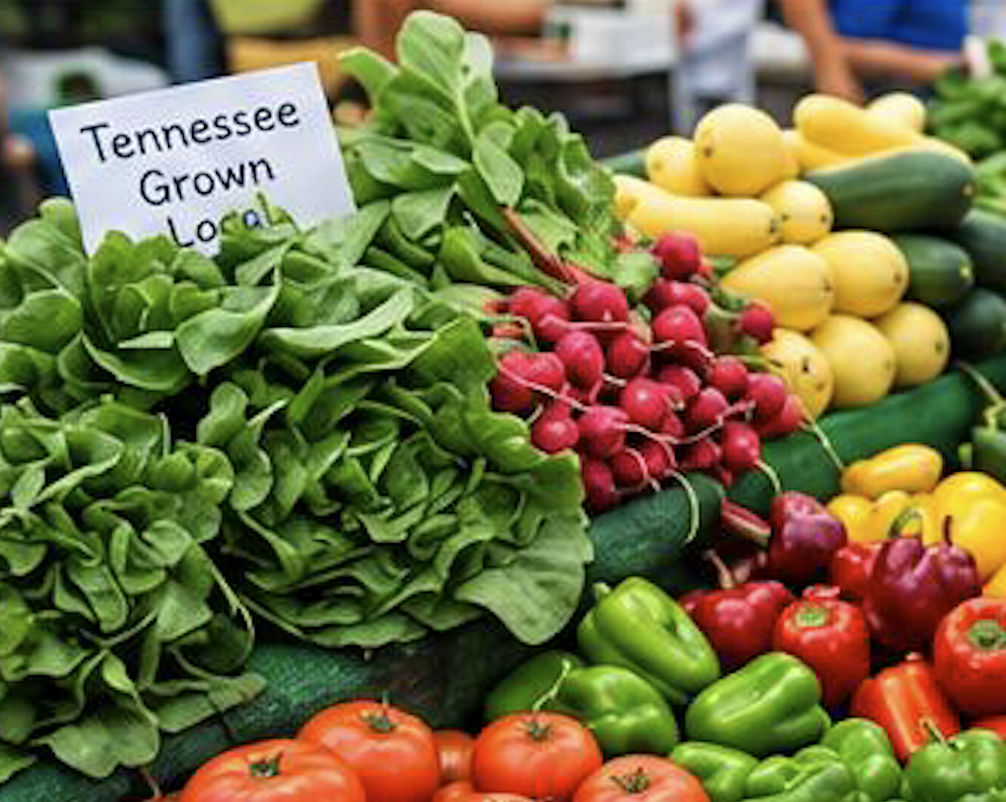


Nick Waynick, UT/TSU Extension agent for Cheatham County, is calling for your help with a TSU study. This survey is designed to learn about everyday farming practices related to fresh produce and food safety.
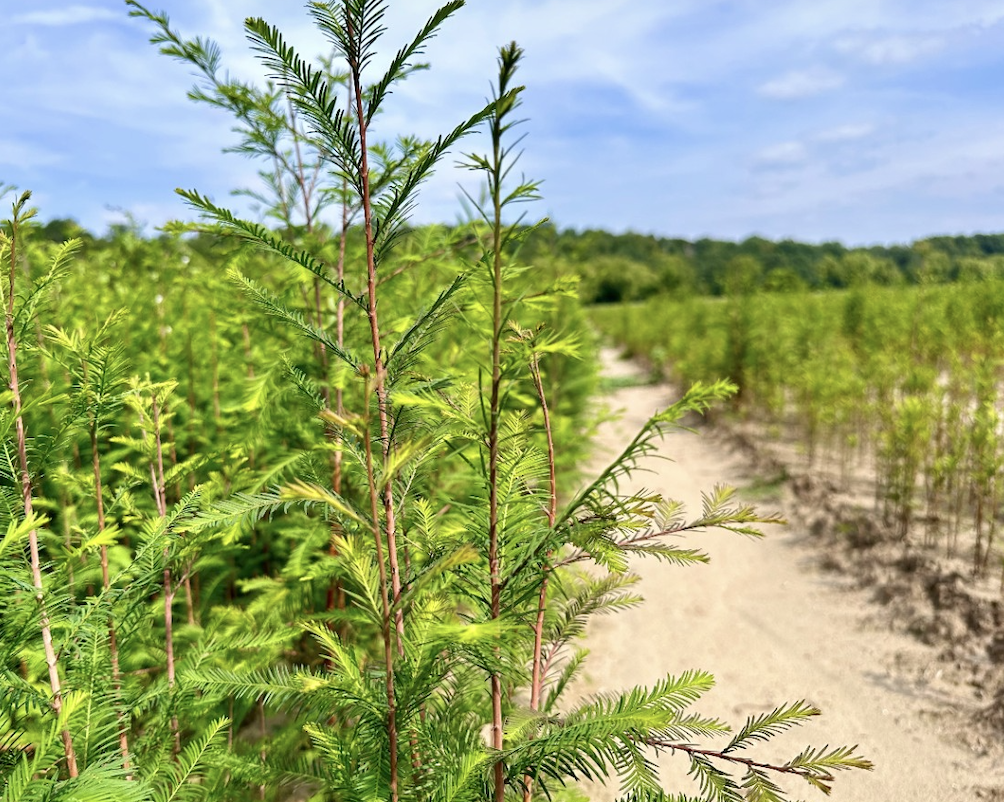
The Tennessee Department of Agriculture Division of Forestry’s (TDF) East Tennessee Nursery (ETN) will open for tree seedling orders at 9 a.m. ET on Sept. 1, 2026. Orders will be accepted through 5 p.m. ET on March 15, 2027, or while supplies last.
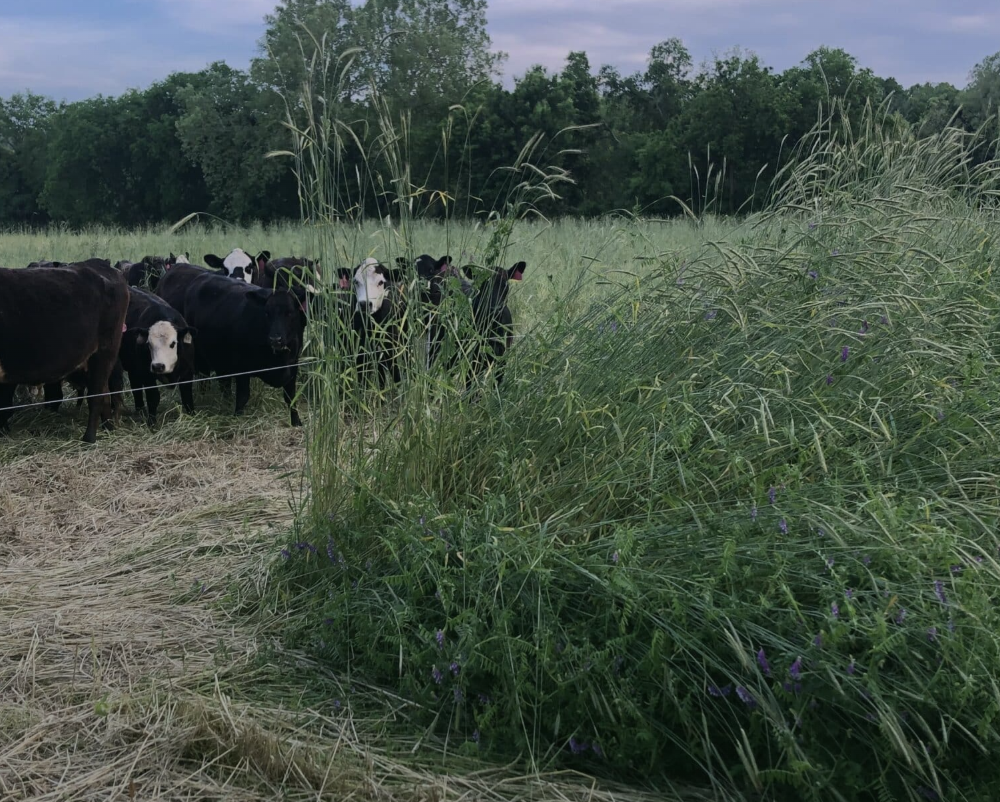
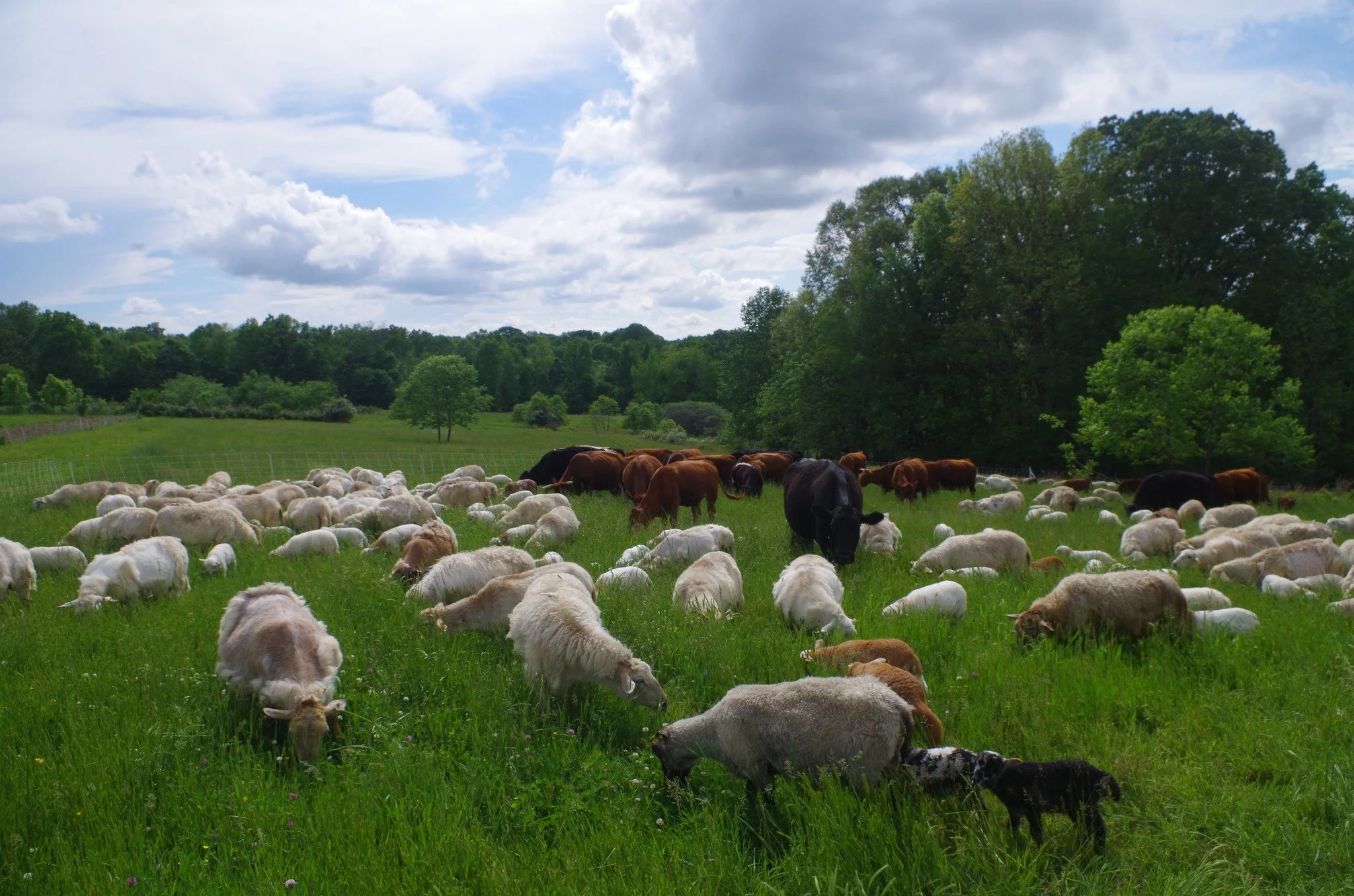
ATTRA BLOG: Grazing cover crops can significantly increase both the health of the soil and the chances of making a profit the first year of cover cropping, compared with using cover crops with no livestock grazing.
DEADLINE: August 24th, 2026 USDA’s Natural Resources Conservation Service is accepting Regional Conservation Partnership Program (RCPP) project proposals to help farmers, ranchers, and forest landowners boost their operations and conserve natural resources.
The Nashville Food Cooperative is seeking its first employee to help build and grow a community-owned local food system in Nashville. This is a flexible, part-time position (approximately 20 hours/week) for someone excited about cooperative development, local food systems, and helping shape a long-term vision for a community-owned grocery cooperative.
USDA’s National Institute of Food and Agriculture is soliciting applications for the Beginning Farmer and Rancher Development Program (BFRDP) for the fiscal year 2026 funding cycle to support the delivery of education, outreach, and technical assistance for beginning farmers and ranchers in the United States.
The University of Tennessee Institute of Agriculture posted the following notice: It's time to keep an eye out for Spotted lanternfly nymphs in Tennessee! These invasive insects feed on a wide range of plants and can quickly spread if not managed early.
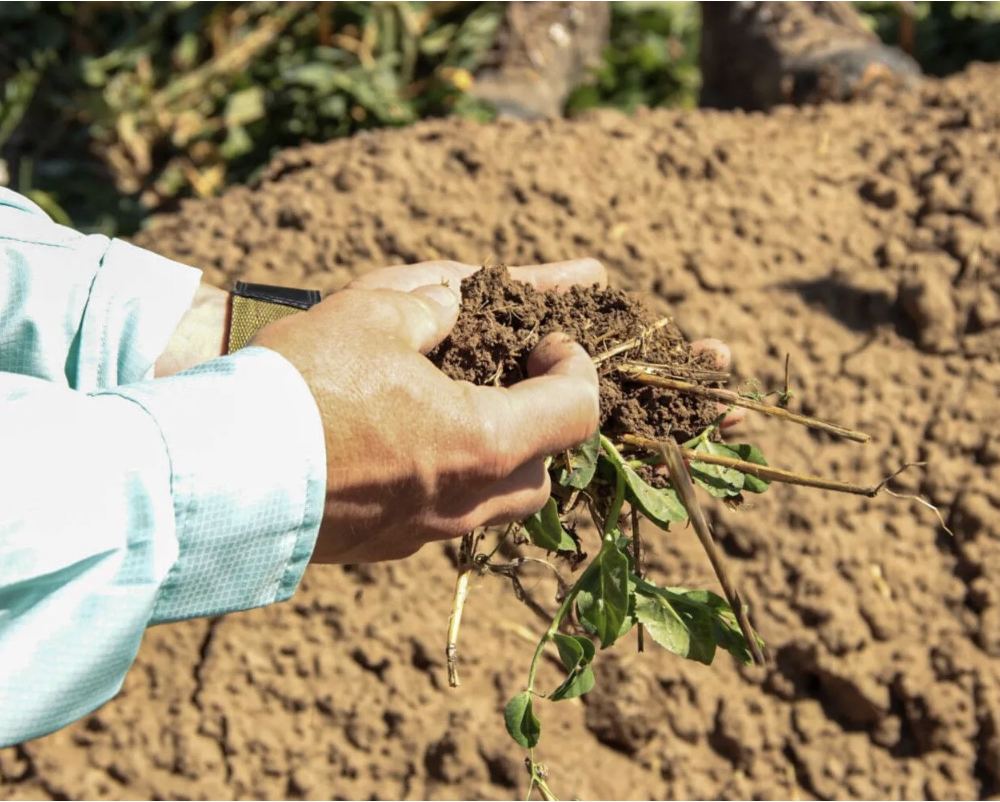
Working alongside partners from across the country, ACS is helping deliver technical expertise and on-the-ground support to farmers implementing practices that enhance soil health, improve water quality, and strengthen long-term farm resilience.